

Acrylic Test Tube Supplier in China
Acrylic test tubes are commonly used in laboratories for various purposes, such as holding and mixing small quantities of liquids, conducting experiments, or storing samples. Acrylic is favored for test tubes because it is durable, lightweight, and provides clarity similar to glass but with the added benefit of being less prone to breakage.
Acrylic test tubes are often used when glass tubes may be too fragile or when safety concerns dictate the use of a shatter-resistant material. What’s more, they can be washed and reused or simply handed out. These tubes can be used in a range of scientific applications, including chemistry, biology, and medical research.
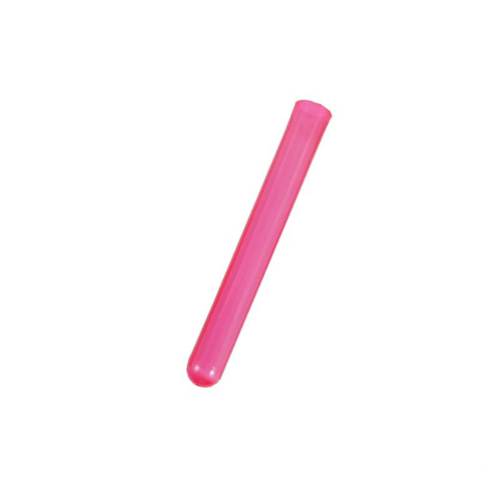
At WeProFab, they are available in various sizes, colors and shapes to suit different laboratory needs. And we can print text or single color logos on tubes.
Color Choices




The Practical Benefits of Acrylic Test Tubes
Compared to glass test tubes, our acrylic test tubes feature durability, transparency, and lightweight design. They are resistant to chemicals like common acids, alkalies, and solvents, versatile in size and shape, and can withstand various temperatures. In addition, they can withstand 3000 RPM and are autoclavable and freezable. Easy to clean and reusable, our acrylic test tubes offer an affordable and customizable alternative to traditional glass tubes in laboratory settings.

Exploring Innovative Applications for Acrylic Test Tubes


Acrylic test tubes are widely applied in chemical experiments, biological research, medical testing, drug development, education, environmental testing, the food and beverage industry, industrial quality control, seed germination, cosmetic product development, research and development, and DIY science projects. Known for their versatility and durability, acrylic test tubes play a crucial role in diverse scientific and laboratory settings.
To maintain acrylic test tubes:
- Store them in a clean and dry environment to prevent contamination.
- Avoid exposure to direct sunlight or extreme temperatures to prevent warping or discoloration.
- Handle them carefully to prevent scratches or cracks.
- Regularly inspect them for any signs of damage or wear.
- Clean them properly after each use as per the cleaning instructions provided.
- Replace any test tubes that are cracked, chipped, or significantly scratched to ensure accurate results and safety.


