
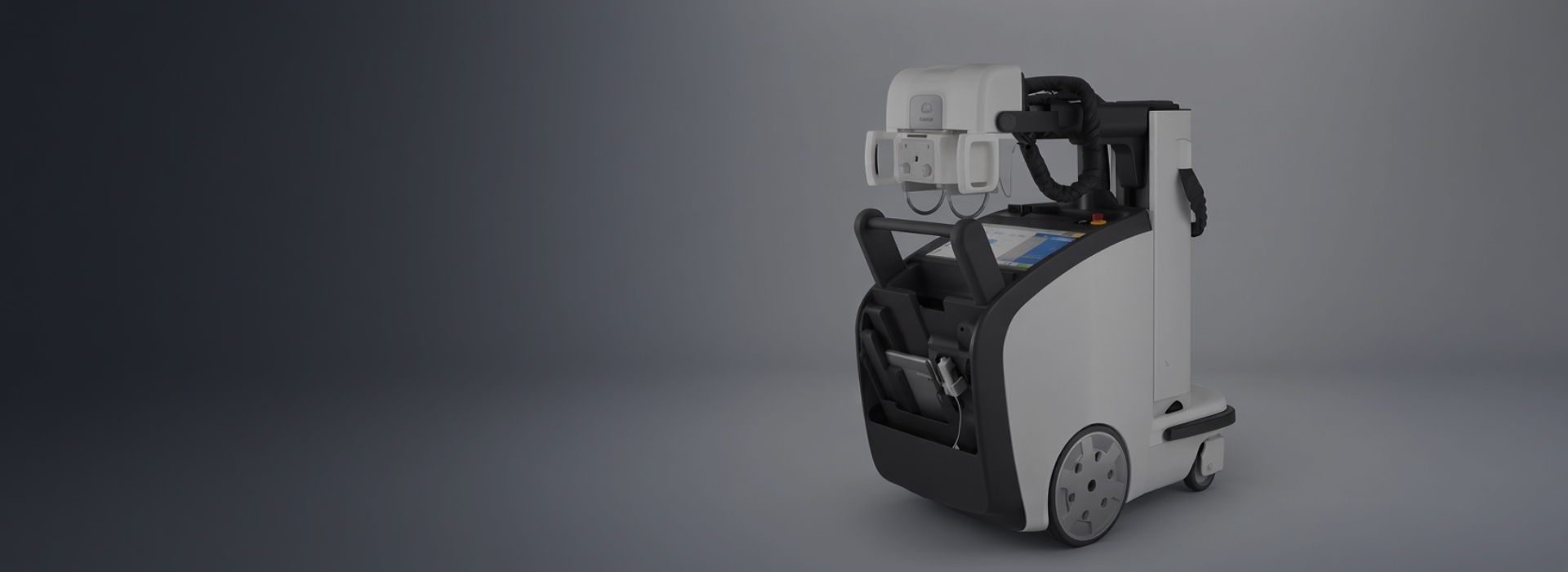
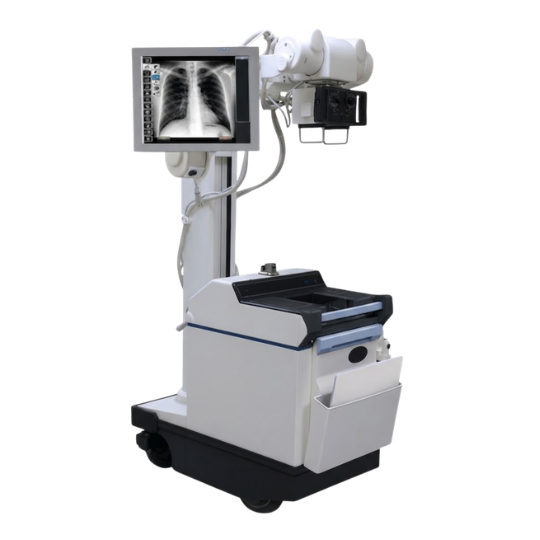
Key Advantages of WeProFab Portable X-ray Machine
- Portable design, weighing only 4.3 kg, for easy transport
- AI-assisted imaging with an imaging time of ≤9 seconds
- Compatible with digital DR detectors
- High-frequency, low-dose, high-definition digital image output
- Optional DICOM/PACS connectivity
- User-friendly control system
- Integrated wireless communication capabilities supporting remote monitoring
- Integrated or optional collimator
- Utilizes internationally leading algorithm technology
WeProFab- Portable X-ray Machine Manufacturer & Supplier in China
Our portable X-ray machine features a portable design, is equipped with a high-frequency X-ray generator, supports rechargeable battery power, and is compatible with digital imaging systems. Compared to traditional stationary X-ray equipment, its compact design makes it easy to move and suitable for a variety of applications.
The device utilizes new imaging technology and a built-in high-voltage generator, offering high sensitivity and extremely low radiation doses to ensure the safety of both operators and patients. It is equipped with a high-capacity lithium-ion battery pack that supports 8 hours of continuous outdoor operation or 200 exposures on a single charge. Additionally, its software is highly intelligent, featuring automatic filament calibration, automatic dual-filament selection, and comprehensive fault diagnosis capabilities.
What’s more, WeProFab portable X-ray machine has been listed by WHO-StopTB Recommended Catalogue.
As a manufacturer, we provide customizable portable X-ray machine solutions to distributors, medical equipment suppliers, hospitals, and healthcare programs.
Please contact WeProFab for product specifications, OEM/ODM solutions, and factory quotes.
Types of Portable X-ray Machines in WeProFab
WeProFab offers portable X-ray machines in a variety of configurations tailored to specific applications and your needs.
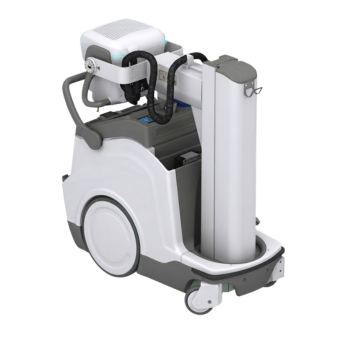
A portable digital X-ray machine combines a compact X-ray generator with a digital detector system. It is suitable for hospitals, clinics, and mobile diagnostic imaging applications requiring digital image acquisition.
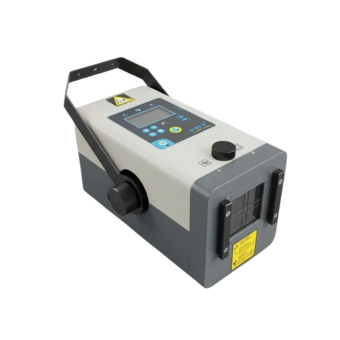
Battery-powered models provide additional mobility by reducing dependence on a fixed electrical connection. They can be useful for bedside imaging, emergency environments, and mobile healthcare applications.
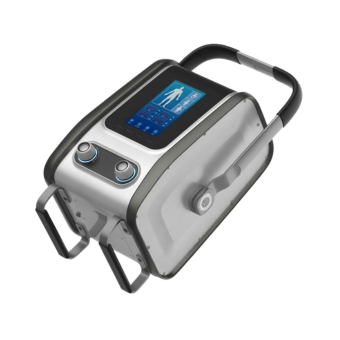
Designed specifically for scenarios that require portability, such as home healthcare, mobile care, and point-of-care (POC) testing. It features a lightweight design and flexible configuration.
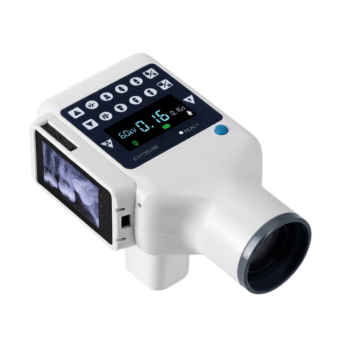
It enables targeted dental X-ray examinations; when used with compatible dental detectors or imaging systems, it supports efficient digital imaging workflows.
Технические характеристики
| Тип продукта | Портативный рентгеновский аппарат |
| X-ray Generator | High-frequency generator |
| Generator Power | Customized according to model |
| Detector | Compatible DR detector |
| Imaging | Digital radiography |
| Control System | Digital control interface |
| Max output power | 450W (90 kV, 5 mA) |
| Tube voltage range | 40–90 kV |
| mAs range | 0.1–10 mAs |
| Net weight | 4.3 kg |
| Overall dimensions | 266.4 × 218.4 × 157.7 mm |
| Pixel pitch | 139 μm |
| Active imaging area | 427 × 427 mm |
| Pixel matrix | 3072 × 3072 |
| Data Interface | DICOM / PACS compatibility where supported |
What Is a Portable X-ray Machine?
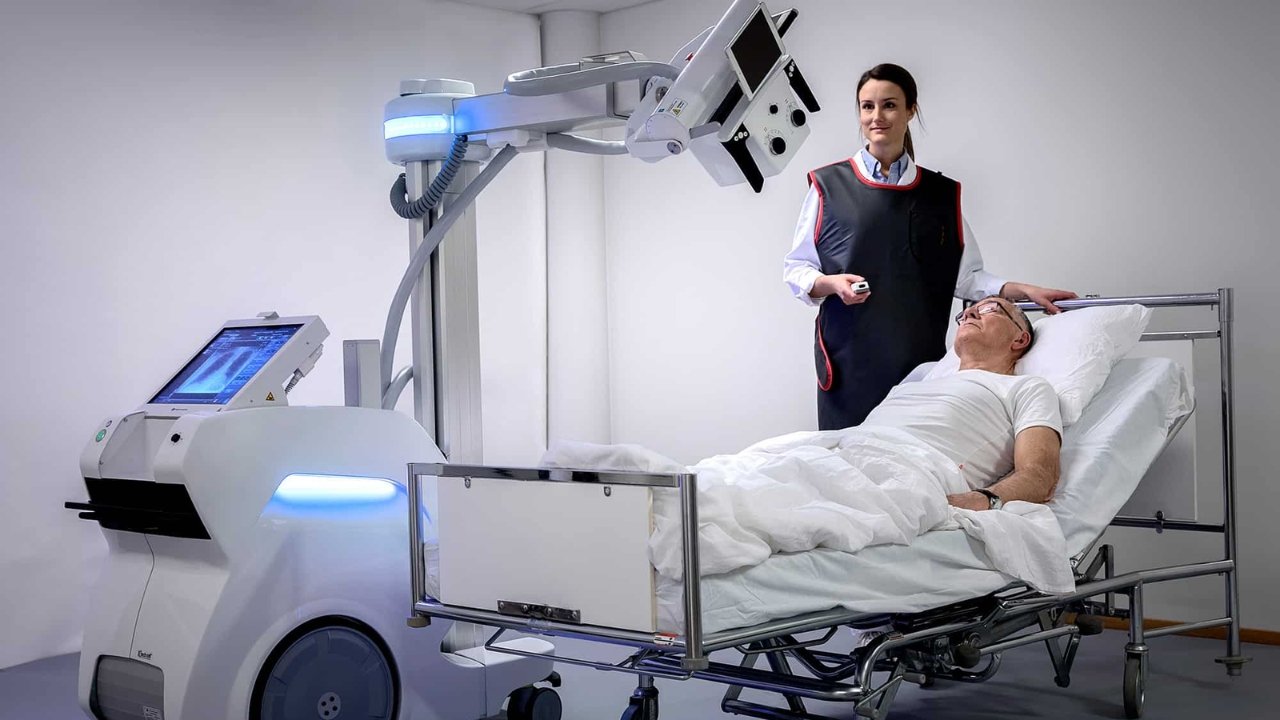
A Portable X-ray Machine is a compact X-ray imaging system designed to perform radiographic examinations without requiring a permanently installed X-ray room. Unlike conventional fixed X-ray systems, portable equipment can be moved between different locations and can support imaging in environments where mobility and space efficiency are important.
A portable X-ray system typically consists of an X-ray generator, X-ray tube, control system, power supply or battery, collimator, and compatible digital detector or imaging system. Depending on the configuration, images can be acquired digitally and transferred to a workstation, PACS, or other medical imaging systems.
Portable X-ray Machines are commonly used for bedside examinations, emergency imaging, outpatient clinics, mobile healthcare, orthopedic imaging, and other point-of-care applications.
How Portable X-Ray Machines Work?
A typical portable X-ray examination generally involves the following steps:
1. Patient Positioning
Position the patient according to the examination requirements and clinical protocols.
2. Detector Placement
Place a compatible digital detector in the appropriate position for image acquisition.
3. Selection of Exposure Parameters
A trained operator selects the appropriate kV, mA, and exposure time based on the examination protocol.
4. X-ray Exposure
The X-ray generator delivers the required X-ray exposure in compliance with radiation safety regulations.
5. Digital Image Acquisition
The detector captures the X-ray image and transmits it to a configured imaging workstation or software system.
6. Image Viewing and Storage
The images are viewed, processed, and stored; if supported by the system, they can also be transferred to a compatible medical imaging system.
Different Applications of Portable X-ray Machine
Больницы
Portable X-ray systems can be used for radiological examinations in hospital wards, emergency departments, intensive care units, operating rooms, and other locations where it is difficult to transport patients to a fixed imaging room.
Клиники
For clinics with limited space or a low volume of imaging exams, portable X-ray systems offer flexible diagnostic imaging without taking up the substantial space required by traditional fixed equipment.
Emergency and Trauma Care
Portable imaging equipment can be used for rapid radiographic examinations in emergency and trauma care settings, particularly in situations where mobility is critical.
Intensive Care Units
Portable X-ray machines allow trained medical staff to perform examinations at the patient’s bedside, thereby reducing the need to transport critically ill patients.
Orthopedic Imaging
Portable X-ray systems can be configured according to clinical protocols and system specifications for imaging bones and joints.
Mobile Medical Services
The compact design of portable X-ray equipment makes it suitable for mobile medical services, telemedicine programs, and temporary medical facilities where traditional X-ray rooms are not available.
Veterinary Clinics
Properly configured portable X-ray systems can provide diagnostic imaging support for animals in veterinary clinics and other animal healthcare settings.
Portable X-ray Machine vs Fixed X-ray Machine
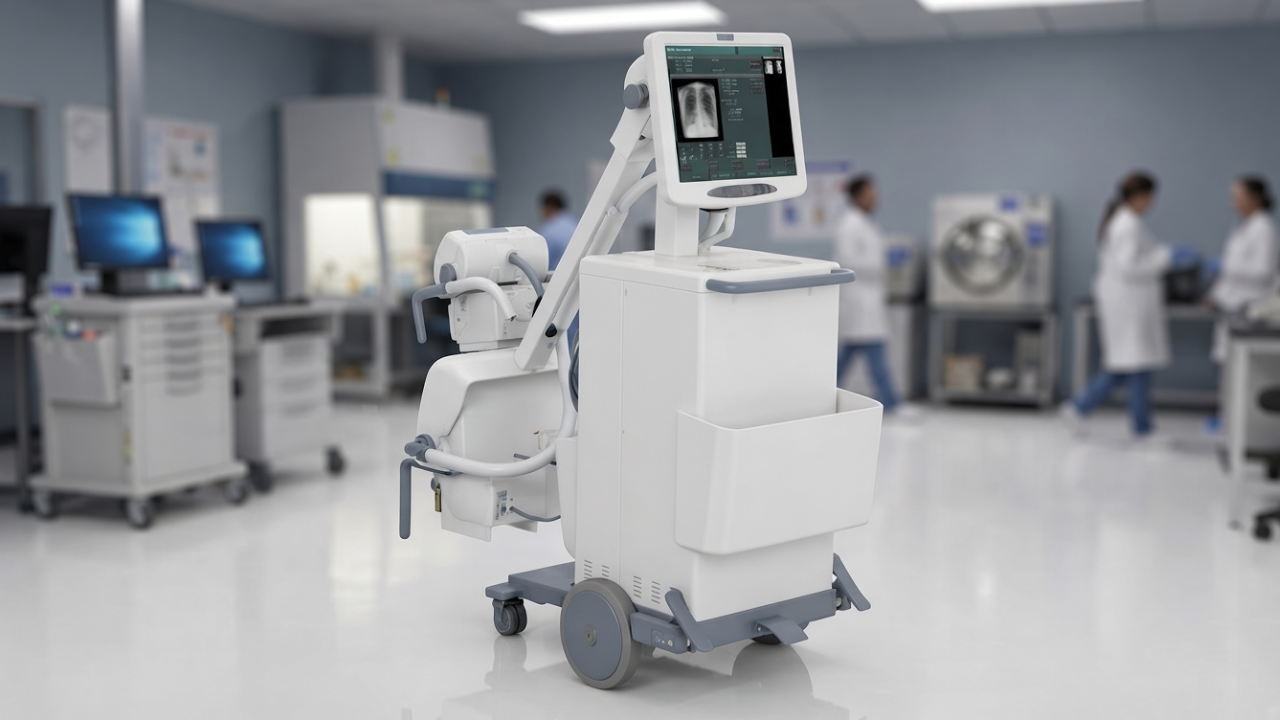
Both portable and fixed X-ray machines can be used for diagnostic radiography, but they are designed to suit different clinical environments. Portable X-ray machines emphasize mobility, flexibility, and bedside imaging, while stationary X-ray machines are designed for dedicated radiology departments, high-volume workloads, and comprehensive imaging capabilities.
| Особенность | Портативный рентгеновский аппарат | Fixed X-ray Machine |
| Мобильность | Easy to move between locations | Permanently installed |
| Установка | Minimal installation requirements | Requires a dedicated X-ray room |
| Space Requirement | Низкий | Выше |
| Bedside Imaging | Suitable | Generally not suitable |
| Emergency Use | Excellent for mobile imaging | Limited by fixed location |
| Remote/Field Use | Suitable for selected applications | Not practical |
| Power Supply | AC and/or rechargeable battery, depending on model | Usually connected to mains power |
| Imaging Workflow | Flexible and point-of-care oriented | Centralized radiology workflow |
| Patient Transport | Can reduce the need to move certain patients | Patients generally travel to the X-ray room |
| Throughput | Suitable for mobile and routine applications | Better suited to high-volume imaging |
| Initial Installation | Generally simpler | More complex |
| Typical Users | Hospitals, clinics, emergency care, mobile healthcare | Hospitals and diagnostic imaging centers |
In summary, choose a portable X-ray machine when mobility, bedside examinations, limited space, emergency imaging, or mobile medical services are priorities.
Choose a fixed X-ray machine when you need to establish a dedicated radiology department capable of handling a high volume of examinations, with a fixed installation and a broader range of routine imaging workflows.
Why Choose WeProFab Portable X-Ray Machine?
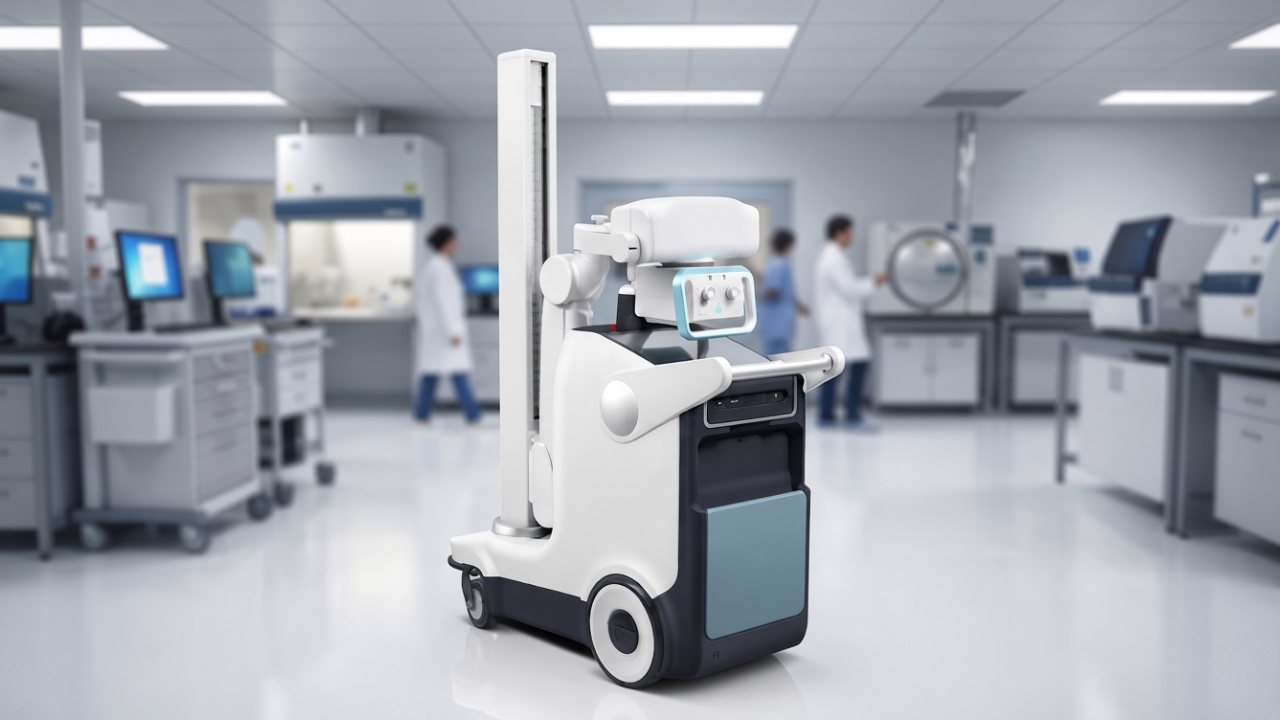
Compact and Portable Design
The compact design makes it easier to move this X-ray system between different examination areas. It is ideal for medical institutions that require flexible imaging at multiple locations but do not need to install dedicated, fixed X-ray systems at each site.
Digital Imaging Capabilities
This portable X-ray machine can be configured with a compatible DR (digital radiography) detector to support digital radiography applications. Digital image acquisition helps streamline examination, image review, storage, and data management processes.
Flexible Power Options
The battery-powered configuration offers greater mobility and allows for imaging operations in locations where a continuous connection to mains power is unavailable.
Adjustable Exposure Parameters
Configurable exposure parameters allow trained operators to select appropriate settings based on examination protocols, patient conditions, and imaging requirements.
Ease of Operation
An intuitive control interface and streamlined operating procedures help radiologic technologists and trained healthcare professionals efficiently perform routine examinations.
The cost of a Portable X-ray Machine typically ranges from $15,000 to $100,000+, depending on generator power, X-ray tube, DR detector, battery, imaging software, certifications, and customization.
Yes, bedside imaging is one of the key applications of portable radiography systems. The equipment can be transported to an appropriate location and used with a compatible detector. This can be particularly useful when patients have limited mobility or when rapid imaging is required.
A suitably configured digital Portable X-ray Machine may support DICOM communication and PACS integration. This allows acquired images and related data to be transferred to compatible hospital imaging systems. DICOM functions and PACS connectivity depend on the specific imaging software and system configuration.
Portable X-ray equipment can incorporate safety features such as exposure control, overload protection, tube temperature monitoring, fault detection, and other protective functions. However, portable X-ray equipment still produces ionizing radiation and must not be considered risk-free. It should only be operated by appropriately trained and authorized personnel using suitable radiation protection and following applicable regulations.
Power output varies significantly between Portable X-ray Machine models. It depends on the intended application, generator design, X-ray tube, exposure requirements, and product configuration. WeProFab can provide the actual kW rating and generator specifications for the model required for your application.
Available certifications depend on the specific model and target market. Depending on the product, documentation or certifications may include CE, FDA-related requirements, ISO 13485 manufacturing-system documentation, and applicable electrical, EMC, and medical-device standards.


